
Course Overview
Every year, thousands of workers suffer from cold-related conditions which can lead to permanent tissue damage, amputation, and death. People who work in transportation and warehouse environments are vulnerable to cold stress. This safety training course explains what cold stress is, what causes it, how to treat it, and practical steps to take when working in cold environments.
The average human body temperature is 98.6 degrees Fahrenheit. Viewers learn that if the body temperature drops, blood flow is redirected away from the hands, feet, arms, and legs to the chest and abdomen. This happens because the body is working to maintain its core body temperature. Severe shivering is a sign that the body temperature is below 95 degrees which can develop into hypothermia. This course explores cold-related conditions, such as hypothermia, and how to treat them.
Safe work practices and engineering controls are demonstrated in this course. For example, people who work in the cold should wear layers of clothing, a warm hat, insulated waterproof boots, and insulated gloves. Before driving in cold conditions, drivers should check the heating and defrosting systems of the vehicle to be sure they are working. They should also pack an emergency kit that includes a blanket or sleeping bag, hand warmers, a first aid kit, and a change of clothes.
Learn what you can do, as a transportation and warehouse employee, to prevent cold stress by completing this safety training course.

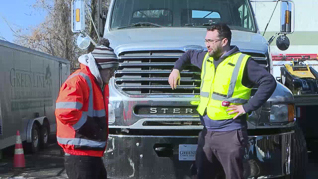


Key Audience
Everyone who works in transportation and warehouse environments will benefit from this course.
Course Topics
Introduction
What Is Cold Stress?
Cold-Related Conditions
Treating Cold-Related Conditions
Safe Work Practices In Cold Environments
Engineering Controls And Using Tools In Cold Environments
Conclusion
Course Detail
Course ID
marccstrt_vod
Time
25-35 MIN
Questions
10
Languages
en
video format
HD
captions
Yes
Resources
Yes
Lessons
7
Remediation
Yes
Bookmarking
Yes
Feedback
No
Microlearning
No