
Course Overview
Each year there are over 35,000 workplace fires in the United States that cause not only a billion dollars or more in facility damages but many worker injuries and deaths. This safety training program shows those who work in food processing and handling environments what potential fire hazards are in the workplace, how to prevent fires, and what to do if there is a fire.
Viewers learn how fire needs three ingredients to burn: fuel, such as cardboard; an oxidizer, such as atmospheric oxygen; and heat, such as a spark. This program explains what the five different classes of fire are, and what should be used to extinguish each class. For example, class A fires involve burning material such as paper and wood, which can be extinguished with water. But the fuel in class B fires include flammable gases and certain plastics which can only be extinguished with chemical foam.
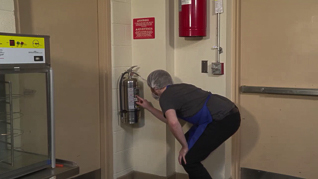
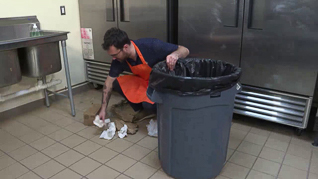
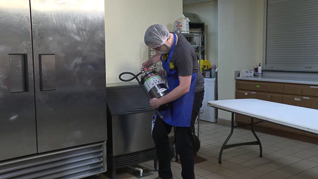
This program also teaches practical ways to prevent fires. For example, flammable liquids should be stored properly, and electrical outlets should not be overloaded. Viewers learn the importance of knowing their facility’s evacuation plan and are shown safety steps to take during a fire such as testing a door to see if it is hot before opening it.
Use this training program to learn how to prevent fires in a restaurant, food service, or food processing and handling workplace.

Key Audience
Everyone who works in food processing and handling should watch this program.
Course Topics
Introduction
Classes Of Fire And How They Burn
Extinguishing Fires
Handling Flammable Materials Safely
How To Prevent Fires
Dealing With A Fire Emergency
Conclusion
Course Detail
Course ID
marcfpsaf_vod
Time
17-27 MIN
Questions
10
Languages
en
video format
HD
captions
No
Resources
Yes
Lessons
7
Remediation
Yes
Bookmarking
Yes
Feedback
No
Microlearning
No