
Course Overview
OSHA requires employers to protect construction jobsite employees from workplace electrical hazards. To help them comply, the National Fire Prevention Association (NFPA) created NFPA 70E, which is the focus of this course.
Unless construction workers know what electrical hazards to look for, they can’t identify them or protect themselves and their co-workers from them. For that reason, this course begins with an overview of NFPA 70E and explains the significance of a “qualified person.” Upon completing the three topics in this course (What is NFPA 70E?; Creating An Electrical Safety Program; Establishing An Electrically Safe Work Condition) workers learn not only know the purpose of NFPA 70E and its contents, but also how they can contribute to their workplace’s compliance.
Use this course to assure employees understand the NFPA 70E Standard, know how to develop an Electrical Safety Program, and know how to establish an Electrically Safe Work Condition.
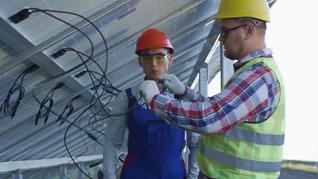



Key Audience
Employees who work in and around construction environments
Course Topics
Introduction
What Is NFPA 70E?
Creating An Electrical Safety Program
Establishing An Electrically Safe Work Condition
Conclusion
Course Detail
Course ID
marcunesc_vod
Time
17-26 MIN
Questions
9
Languages
en
video format
HD
captions
No
Resources
Yes
Lessons
5
Remediation
Yes
Bookmarking
Yes
Feedback
No
Microlearning
No